
Understanding the Importance of Gynecology: A Guide to Women’s Health
Gynecology :
is an important part of women’s health and wellness throughout their lifetime. Gynecologists deliver critical care from adolescence to menopause, delivering preventive tests, diagnosing conditions, and treating reproductive health problems. Moreover, routine checkups by a gynecologist are the best way to identify potential risks and ensure overall wellness.
The first step to restoring your health is learning what gynecology can do for you and its role in your health care.
Why Is Gynecology Important?
Gynecology :It is a branch of medicine that deals with the reproductive health of women.
Regular gynecologist Visits are important for:1. Preventive Care :
Regular checkups like pap smears, pelvic exams, and breast exams can catch problems early when they’re easier to treat.
2. Doctor for Women:Women, from menstrual irregularities to hormonal imbalances, gynecologists have all the answers.
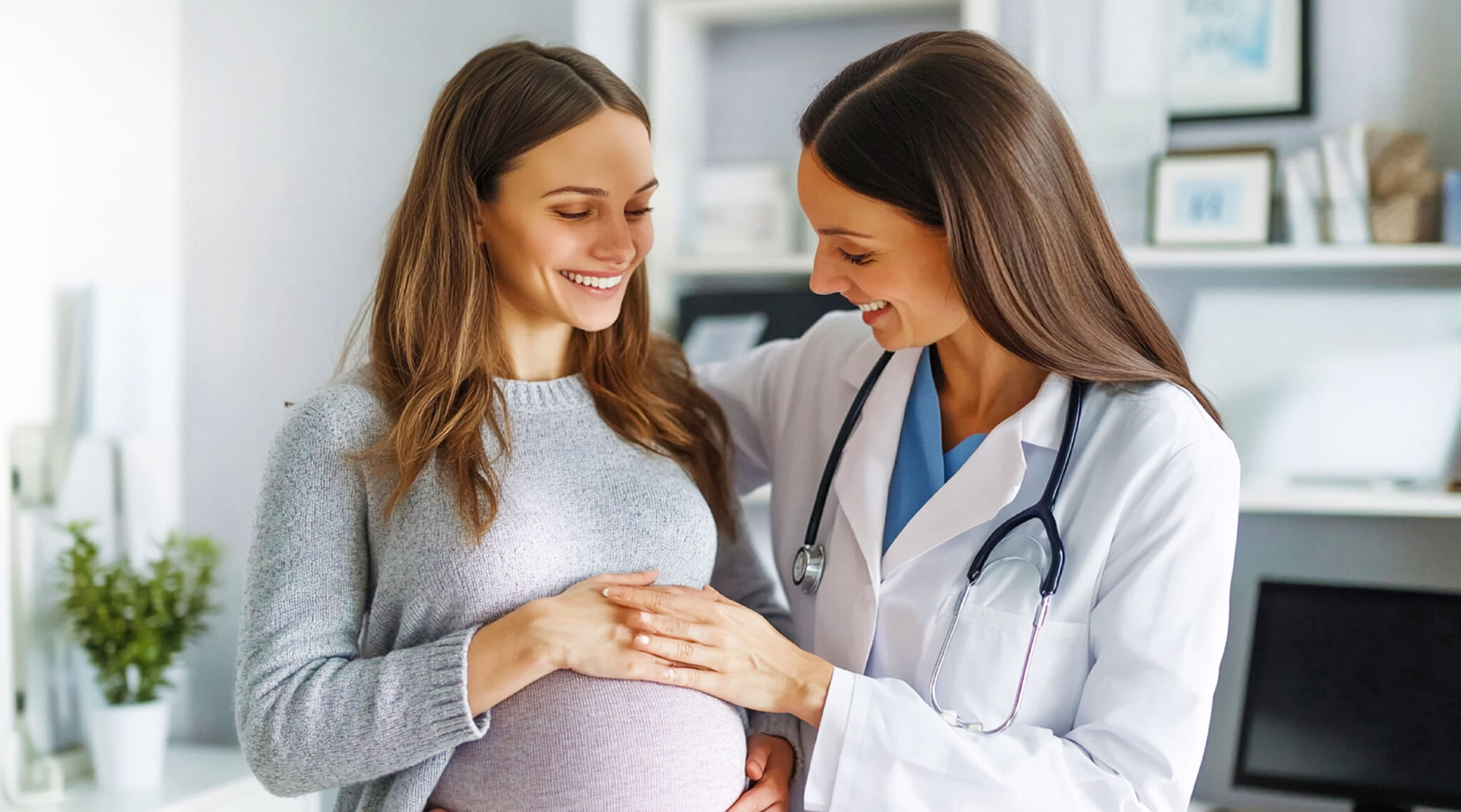
3. Pregnancy and Postpartum Care:The obstetrician, typically paired with a gynecologist, is the specialist overseeing safe pregnancies, births, and postnatal care.
4. Menopause Support:Women in menopause have symptoms such as hot flashes, emotional changes, and sleep changes. Gynecologists prescribe treatments that can ease these symptoms.
It is important to see that the gynecologist you choose is skilled and caring. Women can be able to manage their reproductive life with proper medical treatment and lead a healthier life.
Common Conditions that Gynecologists Treat.A gynecologist or another experienced doctor can accurately diagnose and treat various reproductive health issues, including:
Menstrual Disorders:Heavy bleeding, irregular periods, or painful cramps can affect daily life. Polycystic Ovary Syndrome (PCOS): Symptoms of PCOS include irregular cycles, weight gain, and acne. Gynecologists can offer treatment plans to help manage symptoms.
Endometriosis:A condition that results in severe pelvic pain and can impact fertility. It is critical for early diagnosis and management.
Uterine Fibroids:Non-cancerous growths in the uterus can cause pain and heavy periods. Medications and surgery are options for treatment.
Gynecologic Infections:Early recognition and treatment of infections prevent complications and protect reproductive health.
When To See A Gynecologist?Women should see a gynecologist as early as their teenage years, and regular appointments are recommended.
Here are some urgent situations:Irregular or painful periods.
Abnormal vaginal discharge or smell.
Pelvic pain or discomfort.
Symptoms of a urinary tract infection.
Planning for pregnancy or worries about fertility.