
Flu (Influenza) and Common Cold
Flu (influenza) and the common cold are contagious illnesses that affect the respiratory system. However, they are caused by different viruses.
Because colds and the flu have many overlapping symptoms, it can be difficult to tell them apart just by how you feel.
Typically, cold symptoms are less severe than those of the flu. To know for sure whether someone has the flu, a special test may be needed.
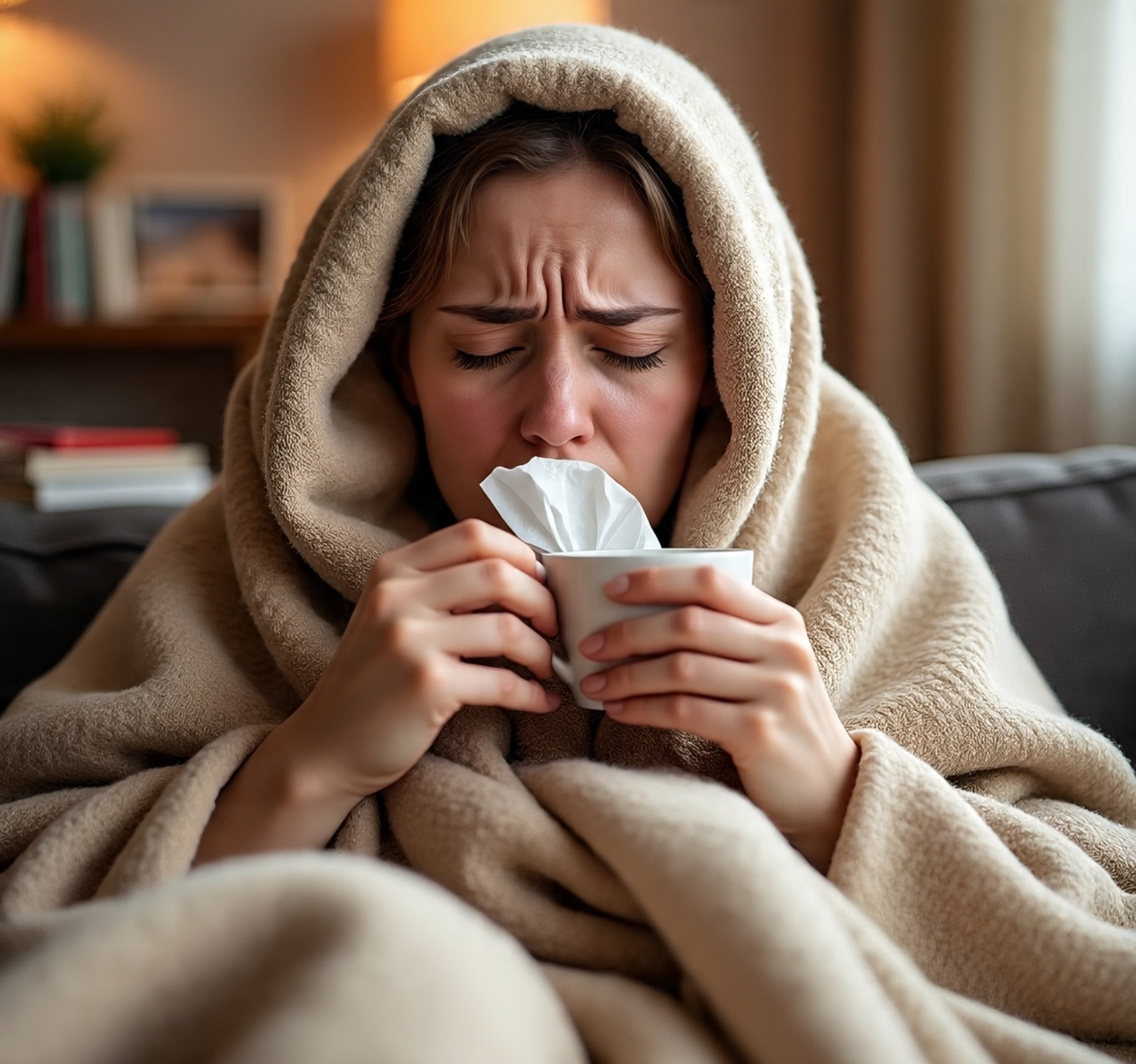
Understanding the Common ColdThe common cold is a viral infection that affects the nose, throat, sinuses, and airways. It spreads easily—especially in homes, schools, and workplaces.
Over 200 types of viruses can cause a cold, with rhinoviruses being the most frequent culprits. There’s no cure for a cold, but most people recover within 7 to 10 days. If your symptoms persist beyond 10 days, it’s a good idea to consult a healthcare provider.
What Exactly Is the Common Cold?A cold is a contagious upper respiratory tract infection, targeting your nose, throat, sinuses, and trachea (windpipe). While some people may associate it with coronaviruses, it’s important to note that many viruses can lead to a cold. Rhinovirus is the most common cause.
The cold is called "common" because nearly everyone gets it—adults usually catch 2 to 3 colds per year, while young children may get 4 or more annually.
Causes and How It SpreadsBecause cold and flu symptoms can look similar, it can be tough to tell them apart. Here’s a breakdown to help you distinguish between them. Colds spread easily through airborne droplets from coughs or sneezes and by touching contaminated surfaces. Children often spread colds more readily because they may not wash their hands frequently or cover their mouths when they sneeze or cough. Cold viruses can live on surfaces for several hours, and babies often get sick by touching things and then rubbing their nose, eyes, or mouth.
Symptoms of the Common ColdCold symptoms usually progress in three stages:
Stage 1: Early Stage (Days 1–3)In the first few days after exposure, you might feel a scratchy throat or a tickle. This is the most common early sign.
Other symptoms may include:
Sneezing
Runny or stuffy nose
Mild cough
Hoarse voice
Stage 2: Peak Phase (Days 4–7)Symptoms tend to get worse or peak at this point. You may experience:
Muscle aches
Headaches
Tiredness
Watery eyes
Low-grade fever (especially in children)
Stage 3: Recovery (Days 8–10)Most people start to feel better during this time. However, some symptoms, like a lingering cough, can stick around for weeks. If your symptoms worsen or your fever returns, see a doctor—this could signal a secondary infection like bronchitis, sinusitis, or pneumonia.
Diagnosis and TestingHow is a cold diagnosed?
A healthcare professional will evaluate your symptoms and perform a physical exam. They may check for:
Swollen nasal passages
Red or irritated throat
Swollen lymph nodes in the neck
Clear-sounding lungs (to rule out other issues)
Are tests necessary?Most of the time, a physical exam is enough. But if your provider suspects you might have COVID-19, influenza, or another illness, they may use a nasal swab test or even order a chest X-ray to rule out more serious conditions.
Treatment and Symptom Management Can a cold be cured?There is no cure for the common cold. It needs to run its course, which usually takes about 7–10 days.
Treatment focuses on relieving symptoms and keeping you comfortable while your body recovers.
Why don’t antibiotics help?Antibiotics work only against bacterial infections, not viruses. Since colds are viral, antibiotics are not effective. However, if a bacterial complication like an ear infection or pneumonia develops, your provider may prescribe antibiotics.
Over-the-Counter (OTC) MedicationsThere are many OTC medicines available to ease cold symptoms. Always consult your doctor before giving medication to children, and avoid taking multiple drugs with similar ingredients.
Common cold remedies include:Pain relievers: Acetaminophen (Tylenol®) or ibuprofen (Advil®) help with headaches and fever
Decongestants: Pseudoephedrine (Sudafed®) can relieve nasal congestion
Antihistamines: Diphenhydramine (Benadryl®) can reduce sneezing and runny nose
Cough suppressants: Dextromethorphan (Robitussin®, DayQuil Cough®) may reduce coughing
Expectorants: Guaifenesin (Mucinex®) helps loosen mucus for easier breathing
Important: These medications may not be safe for children under 5 years old without professional guidance. For adults, it should be taken with caution
Living with a ColdAlthough it can be uncomfortable, a cold is usually not serious. Most people recover with rest, fluids, and time.
To speed up recovery and avoid spreading the virus:
Get plenty of sleep
Stay hydrated
Avoid close contact with others
Wash hands regularly
Cover your coughs and sneezes
When to See a Healthcare ProviderReach out to a healthcare provider if:
Your symptoms last more than 10 days
You develop a high fever
Your symptoms worsen or change suddenly
You experience shortness of breath, chest pain, or confusion
Final ThoughtsThe common cold, while unpleasant, is typically a mild and short-term illness. Understanding how it spreads, how it progresses, and how to manage the symptoms can help you recover faster and prevent infecting others. If you're unsure whether you have a cold or the flu, consult a medical professional for an accurate diagnosis and appropriate care.