
Understanding Ulcers
Ulcers are a common yet potentially serious medical condition that affects millions of persons worldwide. Characterized by painful sores that develop in the lining of the digestive tract, ulcers can lead to discomfort, digestive issues, and in severe cases, life-threatening complications. This piece provides a comprehensive overview of ulcers, including their types, causes, symptoms, diagnostic methods, treatment options, prevention strategies, and commonly held misconceptions.
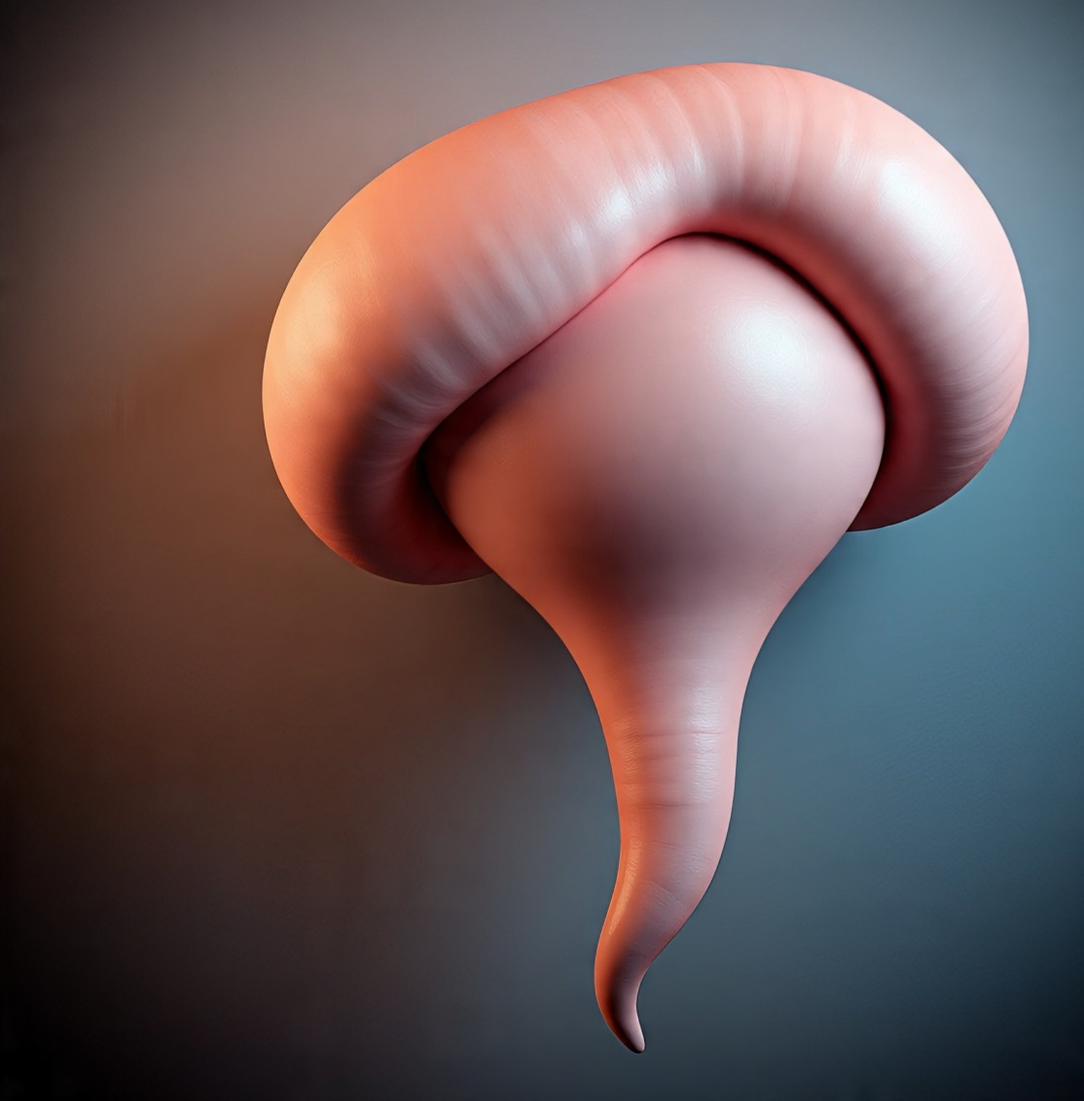
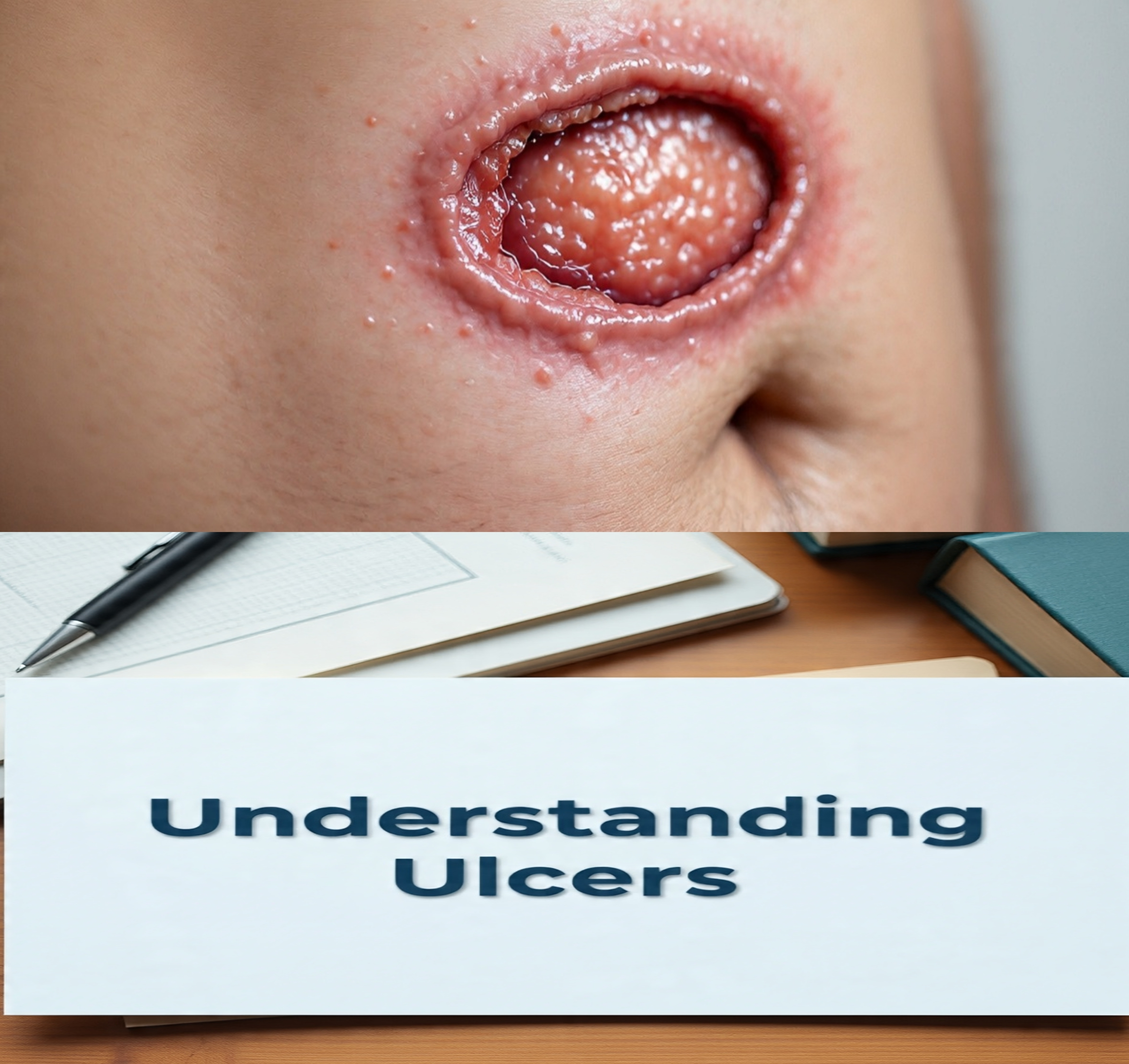
What is an UlcerAn ulcer is a sore or open wound that occurs when the protective lining of the digestive tract is weakened, usually due to the action of stomach acid or digestive enzymes. When this protective barrier is compromised, the underlying tissue becomes vulnerable, leading to inflammation, bleeding, and pain.
Types of UlcersUlcers can develop in different parts of the body, but the ones affecting the gastrointestinal (GI) tract are the most common. The main types include:
1. Peptic UlcersPeptic ulcers are sores that occur in the lining of the stomach, upper small intestine (duodenum), or esophagus. They are further classified into:
Gastric Ulcers: Develop in the stomach lining.
Duodenal Ulcers: Form in the upper part of the small intestine.
Esophageal Ulcers: Located in the lower part of the esophagus.
2. Stress UlcersThese ulcers can occur in critically sick patients, especially those who are hospitalized for major surgery, trauma, or severe infections. They are mostly caused by decreased blood flow to the stomach lining.
3. Mouth Ulcers (can be called Canker SoresThough it's not related to digestive ulcers, mouth ulcers are often small, painful sores that form inside the mouth. They usually heal on their own and are often caused by injury, stress, or nutritional deficiencies.
Causes and Risks Factors of UlcersUnderstanding what causes ulcers is highly essential for prevention and effective treatment. The most common causes include:
1. Helicobacter Pylori (H. Pylori) InfectionThis spiral-shaped bacterium is one of the leading causes of peptic ulcers. It weakens the protective mucus layer of the stomach and duodenum, making the tissues more sensitive to acid damage.
2. The Long-term Use of NSAIDsNonsteroidal anti-inflammatory drugs (NSAIDs), such as ibuprofen, aspirin, and naproxen, can irritate or inflame the stomach lining, especially when taken regularly or in high doses.
3. Excessive Stomach Acid ProductionConditions like Zollinger-Ellison syndrome cause excessive acid production, which can lead to severe ulcer. Lifestyle factors like high-stress levels, poor diet, and certain foods may increase acid production.
Smoking and AlcoholSmoking and excessive alcohol intake damage the lining of the digestive tract and can interfere with the healing processes of ulcers
Other Risk Factors
Older age
Family history of ulcers
Chronic illness (e.g., liver, kidney, or lung disease)
Radiation therapy or chemotherapy
Corticosteroid medications (especially when combined with NSAIDs)
Signs and Symptoms of UlcersUlcer symptoms vary based on the location and severity, but the most common symptom is abdominal pain.
Here are other common symptoms:
Common Symptoms:Burning or persistent discomfort in the stomach area (often relieved or worsened by eating)
Bloating and belching
Nausea or vomiting
Poor appetite
Weight loss
Severe Symptoms (Seek Medical Attention):
Vomiting blood (bright red or coffee-ground appearance)
Black, tarry stools (indicates bleeding)
Sudden, sharp abdominal pain (may indicate a perforated ulcer)
Fainting or weakness (due to internal bleeding)
Symptom Patterns:Gastric ulcers often cause pain shortly after eating.
Duodenal ulcers usually cause pain a few hours after eating or during the night.
The Pain may come and go in episodes over several weeks.
How Ulcers Are DiagnosedIf a doctor suspects an ulcer, they may use a variety of diagnostic tools, including:
1. Endoscopy (EGD – Esophagogastroduodenoscopy)A flexible tube with a camera is inserted through the mouth to visualize the esophagus, stomach, and duodenum. This is the most accurate way to diagnose ulcers and take tissue biopsies.
2. Tests for H. pylori:Including breath, stool, or blood tests. Blood test: Detects antibodies, though not as reliable for active infections. 3. Upper GI Series (Barium Swallow)X-ray imaging after drinking a contrast dye (barium) can reveal ulcers or abnormal structures.
The goal of treatment is to relieve symptoms, promote healing, and prevent complications or recurrence.
1. Medications
a. Antibiotics
If H. pylori is present, a combination of antibiotics (usually two) is prescribed, such as:
Clarithromycin
Amoxicillin
Metronidazole
b. Proton Pump Inhibitors (PPIs)
Reduce acid production and promote
Avoid spicy, fatty, and acidic foods if they worsen
Thankfully Ulcers are a very treatable condition with a wide range of medical, lifestyle, and dietary interventions available. Early diagnosis and proper management are key to preventing complications. If you experience persistent abdominal pain, indigestion, or other ulcer symptoms, don’t ignore them—seek medical advice immediately. With the right care, most ulcers can heal completely, allowing individuals to return to a healthy, pain-free life.
Lifestyle choices also play a big role in healing and preventing ulcers.
Do:Eat smaller, more frequent meals
Drink plenty of water
Manage stress with exercise, meditation
Get enough sleep
Avoid:
Smoking
Excess alcohol
NSAIDs (unless prescribed)
Highly acidic or spicy foods (if they trigger symptoms)
Caffeine and carbonated beverages (may worsen discomfort)
Neglecting an ulcer can lead to serious consequences. Possible complications include:
BleedingA bleeding ulcer can cause anemia or even hemorrhage.
PerforationAn untreated ulcer can create a hole in the stomach wall, leading to life-threatening infection.
Gastric Outlet ObstructionScarring from an ulcer may block food from passing through the stomach.
CancerChronic H. pylori infection increases the risk of gastric cancer over time.
Myths & Misconceptions About Ulcers
❌ Ulcers are caused by spicy food and stress
✅ Fact: While these can irritate ulcers, the main causes are H. pylori and NSAIDs.
❌ Milk helps heal ulcers
✅ Fact: Milk may provide temporary relief but stimulates acid production, which can worsen ulcers over time.
❌ You’ll always feel pain with an ulcer
✅ Fact: Some ulcers are silent and only discovered when complications arise, such as bleeding.
ConclusionUlcers are painful but highly treatable when caught early. The key is not to ignore persistent digestive symptoms like stomach pain, nausea, or unexplained weight loss. If you're experiencing any of the symptoms described above—or have been using NSAIDs frequently—it’s worth getting checked. With the right treatment plan, most people recover completely and return to a normal life. Stay informed, take symptoms seriously, and always consult a healthcare professional for personalized advice.