
Uterine Fibroids: What They're About, Symptoms, Diagnosis & Treatment
Uterine fibroids (leiomyomas) are common non-cancerous growths in the uterus.
This article covers what they are, who's at risk, typical symptoms, diagnosis, treatments (both medical and surgical), fertility impact, and when to get care.
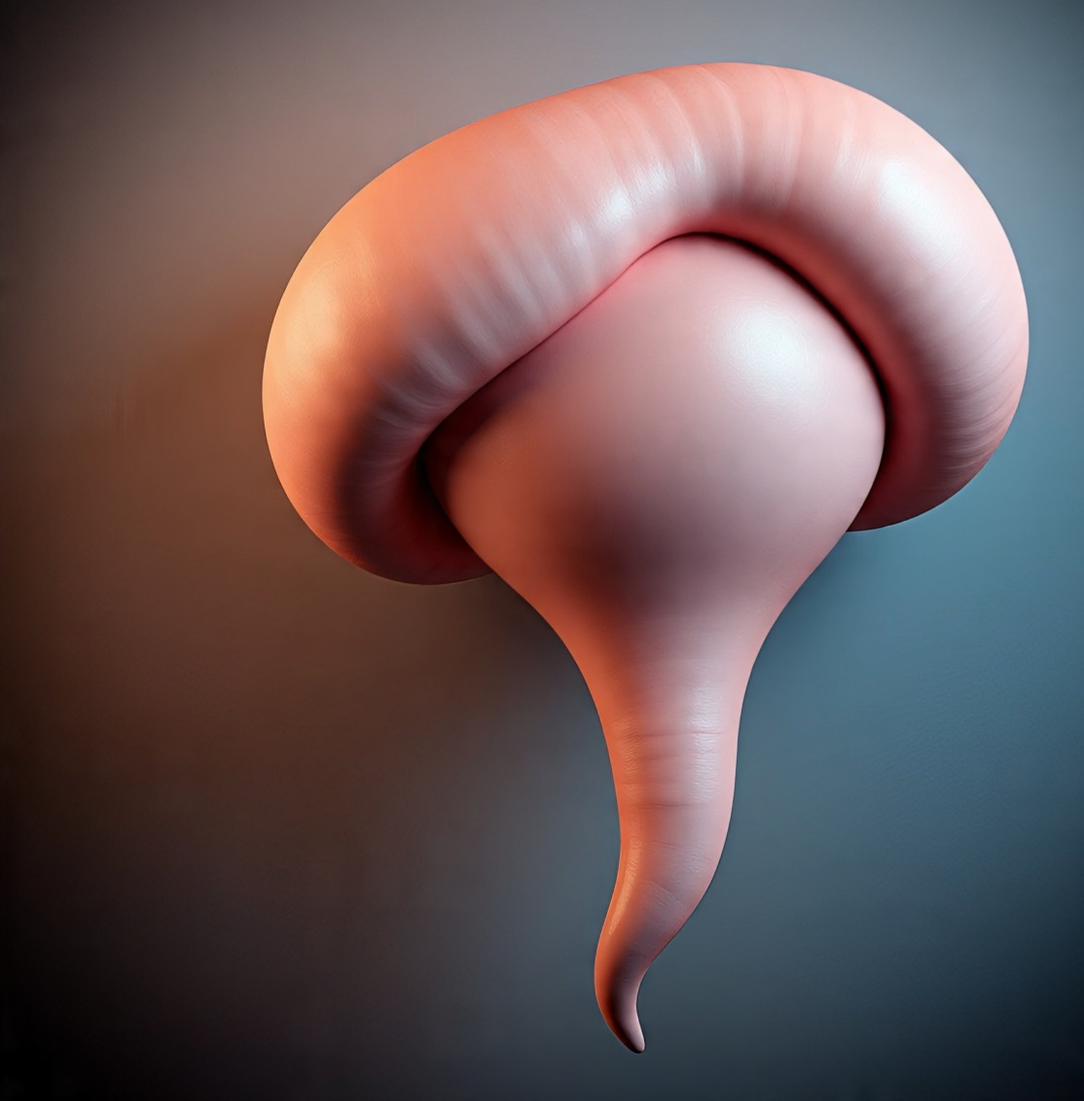
OverviewUterine fibroids — or leiomyomas — are benign tumours growing from the uterus's muscle layer. This Fibroids often present in reproductive years, ranging from small (pea-sized) to large (taking up much of the pelvis). Fibroids are usually harmless and rarely turn cancerous.
How common?Fibroids are widespread. Estimates vary, but many people with a uterus get them by midlife — often without symptoms. Some studies say roughly half of women develop fibroids by menopause, with higher rates in certain groups.
TypesFibroids are classified by location:
- Intramural: in the muscle wall (most common)
- Submucosal: under the uterine lining; linked to heavy bleeding and fertility issues
- Subserosal: on the uterus's outer side, pressing on organs
- Pedunculated: grow on a stalk
Causes & risksThe exact cause is unknown, but growth relates to hormones (estrogen and progesterone). Risks include:
- Reproductive age
- Family history
- African ancestry
- Obesity
- Early menstruation
Symptoms —many people have none Many have no symptoms and find out by chance.
When symptoms occur:- Heavy, long, or irregular periods
- Pelvic pressure or pain
- Frequent urination
- Constipation
- Pain during sex
- Possible fertility issues
DiagnosisUsually starts with a pelvic exam and history.
Imaging helps confirm:- Ultrasound — first step
- MRI — for complex cases
- Hysteroscopy — for submucosal fibroids
Treatment —tailored approach
Depends on symptoms, fibroid size/location, age, fertility plans, and health.
- Watchful waiting: if symptoms are mild
- Hormonal therapy: to reduce bleeding
- Procedures like UAE or focused ultrasound
- Myomectomy (remove fibroids) or hysterectomy (remove uterus)
Fibroids & fertility/pregnancyMost can conceive normally, but fibroids may contribute to issues in some cases. Treatment should consider fertility goals.
When to seek Medical Care- Heavy bleeding
- Severe pain
- Fertility concerns
- Pregnancy issues
Living with fibroids- Track symptoms
- Manage anemia if needed
- Discuss fertility plans with a doc
- Follow-up imaging if needed